
Dachshund Dogs for Sale: Your Ultimate Guide to Finding the Perfect Companion
Looking for dachshund dogs for sale? Discover everything you need to know to find your new best friend. From breeders to care tips, we cover it all.
Introduction
When searching for dachshund dogs for sale, it’s essential to know exactly what you’re looking for in a companion. These adorable, energetic pups come in diverse colors and sizes, each boasting unique personality traits. Whether you’re a first-time dog owner or adding to your family, this guide is designed to provide invaluable insights into finding the perfect dachshund dogs for sale for your home.
Dachshunds, affectionately known as “wiener dogs,” have captured the hearts of dog lovers worldwide with their elongated bodies and playful spirits. This guide will walk you through the steps to find the right dachshund, ensuring you are well-prepared for the journey ahead.

Why Choose Dachshund Dogs FOR SALE?
Unique Traits of Dachshund Dogs for sale
Personality
Dachshunds are known for their spirited and playful demeanor. They are affectionate, loyal, and often form strong bonds with their family members. Their quirky antics can bring joy and laughter to any household. These dogs are not just pets; they become cherished companions who are eager to participate in family activities.
Size Variety
Dachshunds come in two sizes: miniature and standard. Miniature dachshunds typically weigh 11 pounds or less, while standard dachshunds can weigh between 16 to 32 pounds. This size variety makes them suitable for various living situations, from apartments to large homes.
Cost Considerations When Buying Dachshund Dogs for sale
1. Initial Purchase Cost
The initial cost of acquiring a dachshund can range significantly based on factors such as the breeder, location, and lineage. On average, prices can vary from $300 to over $3,000. It’s crucial to invest in a reputable breeder who prioritizes the health and temperament of their dogs. Click here to BUY a Dachshund dogs for sale
2. Long-term Care Expenses for Dachshund dogs for sale
Beyond the initial purchase price, prospective owners should factor in long-term costs such as food, grooming, training, and veterinary care. Monthly food expenses can range from $30 to $50, while annual veterinary check-ups and vaccinations may total $300 to $850.
3. Unexpected Medical Costs
Dachshunds are prone to certain health issues, including intervertebral disc disease (IVDD), which can lead to significant unexpected medical expenses. Pet insurance is highly recommended to help offset these costs.
Where to Find Dachshund Dogs for Sale
1. Reputable Breeders
Importance of Checking Health Clearances
Before purchasing a dachshund dog for sale, ensure the breeder conducts health tests to screen for genetic conditions. Reputable breeders will provide documentation confirming the health of both the parents and puppies.
Referrals and Reviews
Seek referrals from dog owners or local veterinarians. Reading reviews and testimonials can help ensure the breeder is trustworthy and dedicated to producing healthy dachshund dogs for sale
2. Animal Shelters and Rescues
Benefits of Adopting Dachshund Dogs for sale from Shelters
Adopting from a shelter not only gives a homeless animal a second chance but often comes at a lower cost. Many shelters provide initial vaccinations, spaying/neutering, and microchipping as part of the adoption fee.
How to Find Local Rescues
Various online platforms, such as Petfinder and Adopt-a-Pet, allow you to search for dachshunds available for adoption in your area. Local breed-specific rescues are also excellent options.

3. Online Marketplaces
Popular Platforms to Find Dachshund Dogs for Sale
Websites like Dachshund world, AKC Marketplace, and Craigslist can list dachshunds for sale. However, be cautious and conduct thorough research on both the seller and the dog’s background.
Tips for Safe Online Transactions
- Always meet the seller in person in a public location.
- Ask for health clearances and ask to see the dog’s living conditions.
- Never send money without meeting the dog first.
Things to Consider Before Buying
Health and Wellness of Dachshund Dogs for sale
Owning a dachshund comes with immense joy, but it also requires a solid understanding of their health and wellness needs. Dachshunds are charming companions with distinctive personalities, but they are prone to specific health issues that potential owners must be aware of. This section covers common health problems, the importance of regular vet visits, training needs, feeding guidelines, exercise requirements, and grooming essentials. Click here to Buy dachshund dogs for sale Now
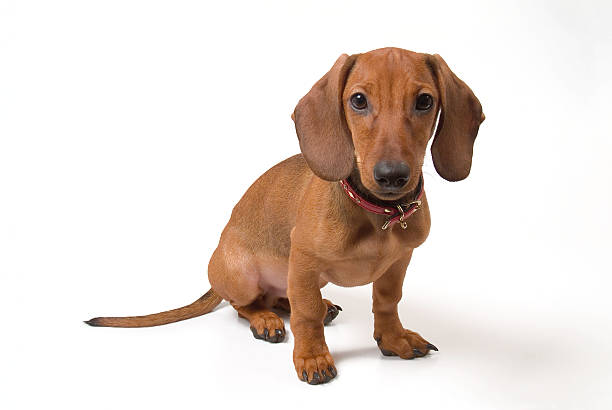
Common Health Issues
Understanding the health issues associated with dachshund dogs for sale can help owners take proactive steps in managing their furry friends’ well-being.
Intervertebral Disc Disease (IVDD)
Overview:
Intervertebral Disc Disease (IVDD) is one of the most prevalent health issues affecting dachshund dogs for sale. This condition involves the degeneration or herniation of the discs situated between the vertebrae of the spine, which can lead to pain, mobility issues, and, in severe cases, paralysis.
Symptoms:
- Signs of pain, including yelping or reluctance to move
- Difficulty walking or loss of coordination
- In severe cases, dragging of the hind legs or inability to walk
Prevention and Management:
- Weight Management: Keeping your dachshund dogs for sale at a healthy weight can help alleviate pressure on the spine.
- Exercise: Regular, moderate exercise helps maintain muscle tone and flexibility, but avoid high-impact activities that could strain their back.
- Medical Support: Regular veterinary check-ups are essential for early detection. If your dachshund shows signs of IVDD, immediate veterinary attention is crucial. Treatment options vary from medication to surgery, depending on severity.
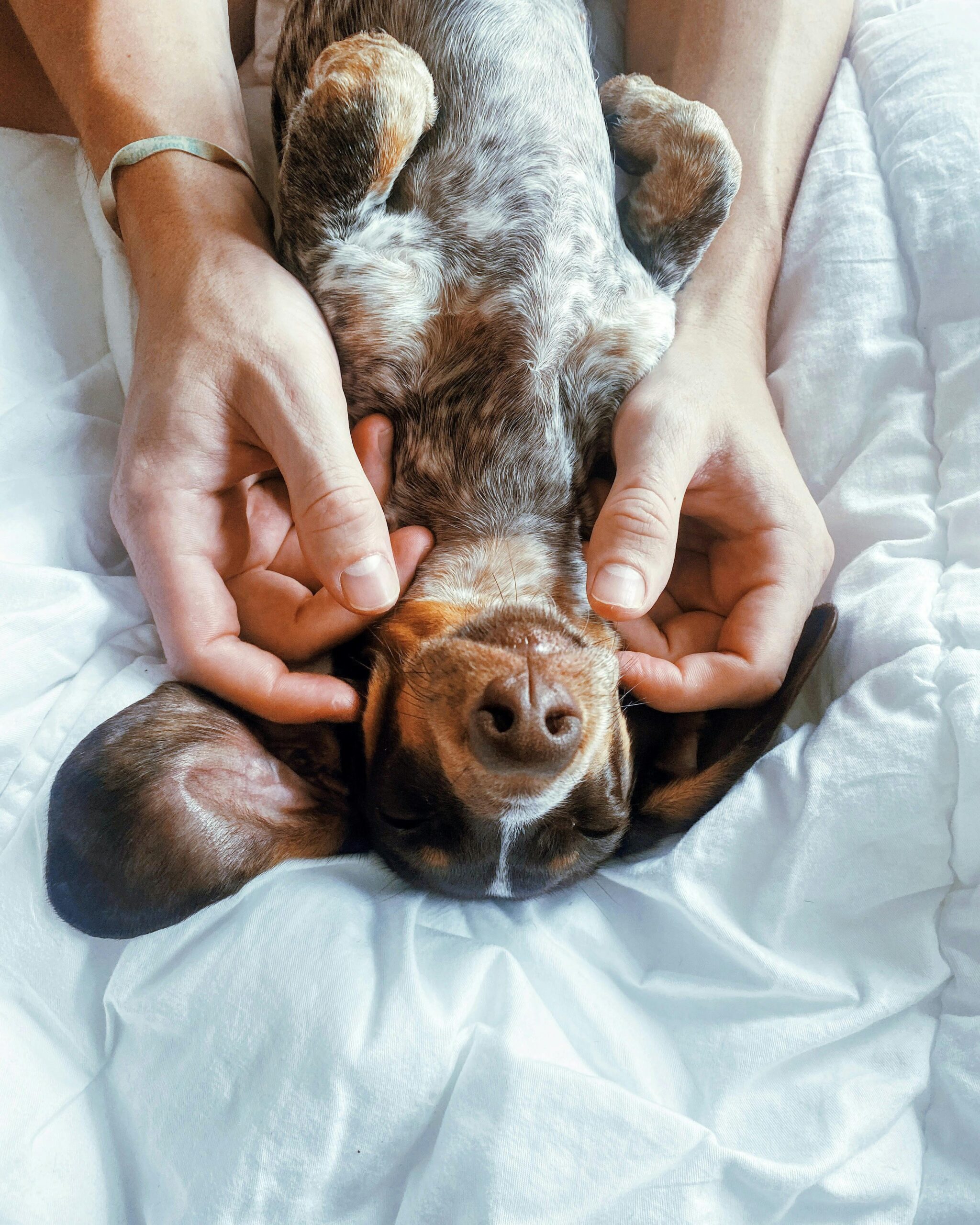
Hip Dysplasia
Overview:
Hip dysplasia is a genetic condition where the hip joint doesn’t fit into the hip socket properly. While it is more common in larger breeds, dachshunds, especially those bred irresponsibly, can be susceptible.
Symptoms:
- Decreased activity or reluctance to jump or climb stairs
- Limping or unusual gait
- Signs of discomfort and difficulty in rising from a resting position
Prevention and Management:
- Selective Breeding: Ensure that you obtain your dachshund from a reputable breeder who performs health tests.
- Weight Control: Maintain a healthy weight to reduce stress on the joints.
- Regular Exercise: Low-impact activities help strengthen the muscles around the hip joint.
- Veterinary Care: Regular check-ups should include assessments of joint health. Your vet may recommend supplements or medications to improve joint function.
Obesity
Overview:
Obesity is a significant concern for dachshunds due to their long backs and short legs. Extra weight can lead to serious health issues, including back problems, heart disease, and diabetes.
Symptoms:
- Weight gain and difficulty in maintaining a healthy weight
- Decreased agility and playfulness
- Signs of distress during typical activities
Prevention and Management:
- Portion Control: Measure food portions carefully. Refer to feeding guidelines provided by the dog food manufacturer and adapt based on your dog’s individual needs.
- Balanced Diet: Choose high-quality dog food that is appropriate for your dachshund’s size and age.
- Regular Activity: Integrate exercise into your daily routine. Aim for at least 30 minutes of activity every day.
Importance of Vet Check-ups
Why Regular Vet Visits Matter
Dogs, like humans, require regular health check-ups and vaccinations to ensure their well-being. For dachshunds, these visits are particularly important because of their predisposition to certain health issues.
Establishing a Routine
- Annual Wellness Checks: Aim for at least one comprehensive check-up each year. If your dachshund is older or has existing health issues, semi-annual visits may be more appropriate.
- Vaccinations: Staying updated on vaccinations is crucial to protect against diseases such as parvo or distemper.
- Preventative Care: Regular vet visits provide opportunities for preventative care. Your vet can recommend appropriate vaccines, flea and tick prevention, dental care, and nutritional advice specific to your dachshund’s life stage.

Early Detection
Routine check-ups allow for early detection of potential health problems. This could be as simple as identifying early signs of obesity or more serious issues like IVDD or hip dysplasia. Early intervention can significantly improve outcomes for your pet and save on potential costly treatments down the road.
Temperament and Training
Basic Training Needs
Dachshunds are intelligent dogs, but they can also be quite stubborn. Effective training is crucial to foster good behavior and a well-adjusted temperament. Buy dachshund dog here
Positive Reinforcement
Using positive reinforcement techniques, such as treats and praise, can encourage desired behaviors. This approach focuses on rewarding good behavior rather than punishing undesirable actions.
- Start Early: Begin training as early as possible. Puppies are particularly receptive to training and learning commands.
- Short Sessions: Keep training sessions short and engaging—10 to 15 minutes works best to hold their attention.
Consistency
Consistency is key when establishing rules and boundaries. Ensure that all family members understand and enforce the same commands and rules.
- Uniform Commands: Use the same wording and signals for commands to avoid confusion.
- Daily Practice: Incorporate training into your daily routine for reinforcement.
Puppy Classes
Consider enrolling your dachshund in puppy training classes. These classes provide socialization opportunities while teaching essential training skills.
- Socialization: Puppy classes expose your dachshund to various dogs and people, helping them become well-adjusted adults.
- Professional Guidance: Experienced trainers can provide valuable insight and personalized strategies.
Socialization Strategies
Early socialization is crucial for dachshunds to develop well-rounded temperaments. Exposure to different environments, sounds, and experiences can help your puppy grow into a confident adult dog.
Diverse Environments
- Public Spaces: Take your dachshund on walks in parks, shopping areas, and other places where they can meet new people and dogs.
- Home Visitors: Allow different visitors in your home to help your dachshund become accustomed to strangers.
Other Animals
- Dog Parks: Visiting dog parks enables your dachshund to interact with various breeds and sizes, teaching them proper canine etiquette.
- Controlled Introductions: Introduce your dachshund to other pets gradually and in a controlled manner, ensuring positive interactions.
Caring for Your Dachshund
Feeding Your Dachshund
Recommended Diet
A high-quality dog food that suits your dachshund’s specific needs is crucial for their health. Look for food that is rich in protein and low in fillers.
- Ingredient Quality: Check the ingredient list. Meat should be the first ingredient, and avoid foods with excessive grains or vague descriptors like “meat byproducts.”
- Specific Needs: Consider any dietary restrictions or specific health issues when choosing food. For instance, older dachshunds may benefit from senior formulas tailored to their age.
Portion Control Tips
Maintaining proper food portions is critical in preventing obesity.
- Follow Guidelines: Adhere to the feeding guidelines provided on dog food packaging, adjusting portion sizes based on age, activity level, and weight.
- Regular Monitoring: Keep an eye on your dachshund’s weight and adjust feeding portions as necessary.
Exercise Requirements
Daily Exercise Needs
Dachshunds require regular exercise to stay healthy and happy. Aim for a minimum of 30 minutes of exercise each day.
- Walks: Daily walks are a great way for your dachshund to explore the environment while getting an essential workout.
- Interactive Play: Engaging your dachshund in play, such as fetch or tug-of-war, can provide both physical and mental stimulation.
Fun Activities to Do with Your Dachshund
Incorporating fun activities into their routine can make exercise enjoyable for both you and your dachshund.
- Play Fetch: Utilize their natural instincts by throwing a ball or toy for them to chase. This engages their hunting instincts and helps them burn off energy.
- Obstacle Courses: Create a mini agility course using household items or purchase a kit designed for small dogs. This stimulates their minds and keeps them active.
- Tug-of-War: Use sturdy toys for a fun game of tug-of-war, enhancing your bond while providing physical activity.
Grooming Essentials
Regular grooming is necessary to keep your dachshund clean, comfortable, and healthy.
| Task | Frequency | Description |
|---|---|---|
| Bathing | Monthly | Use a gentle shampoo and ensure to rinse thoroughly. |
| Nail Trimming | Bi-weekly | Regular trimming prevents discomfort and injury. |
| Ear Cleaning | Weekly | Check for dirt or wax buildup, especially in long-haired dachshunds, and clean gently with a dog-safe solution. |
Coat Type Considerations
Dachshunds come in smooth, long-haired, and wire-haired varieties. Each coat type has different grooming needs:
- Smooth-coated: Requires minimal grooming; weekly brushing is sufficient to remove loose hair.
- Long-haired: Needs regular brushing (2-3 times a week) to prevent mats and tangles, especially around the ears and underarms.
- Wire-haired: Regular brushing to maintain coat texture and prevent matting is essential. Grooming should focus on the body and belly.
Conclusion
Finding dachshund dogs for sale is an exciting journey filled with joy and potential challenges. Equipped with knowledge about their health and wellness, particularly their susceptibility to certain health issues, you’ll be better prepared to care for your new companion.
Remember to prioritize regular vet check-ups, maintain a consistent training routine, ensure proper feeding and exercise, and incorporate regular grooming into your schedule.
Dachshunds can be loving and loyal friends for many years. By thoroughly researching and understanding the needs and characteristics of dachshunds, you can foster a harmonious relationship and create the happy, comfortable home they deserve.
As you embark on this journey, don’t forget that each dog is an individual, with their own personality and needs. Always be open to learning and adapting to the specific conditions of your new furry friend, ensuring a rewarding and fulfilling companionship