Dachshund Dog Food: The Ultimate Guide to Nourishing Your Pooch
Finding the right dachshund dog food is essential for your furry friend’s health and happiness. This comprehensive guide covers everything you need to know about feeding your dachshund the best diet.
Introduction
Choosing the appropriate dachshund dog food is vital for your pet’s well-being. These adorable pups have unique dietary needs that must be addressed with care. In this guide, we will explore various types of food, nutritional requirements, and tips for selecting the best options. Whether you’re a seasoned dog owner or a first-time pet parent, understanding the nuances of dachshund dog food will empower you to make the best choices for your furry companion. Buy Dachshund pupppies here
Why Quality Dachshund Dog Food Matters
Investing time and effort into selecting quality dachshund dog food can lead to a healthier, happier life for your pet. Here are the main reasons why it’s crucial:
Health Benefits
High-quality food leads to a healthy weight and strong bones. Feeding your dachshund the right nutrition can prevent obesity, a common issue for this breed, as they tend to gain weight due to their long bodies and shorter legs.
Digestive Ease
Proper nutrition helps avoid digestive issues, which many dachshunds face. A diet rich in fiber and high-quality ingredients promotes regular bowel movements and better overall digestive health.
Skin and Coat Quality
Good food contributes to healthy skin and a shiny coat. Ingredients rich in omega fatty acids, vitamins, and minerals help achieve that glowing coat that every dachshund owner loves to see.
Longevity and Quality of Life
A nutritious diet can directly impact your dachshund’s lifespan. High-quality dachshund dog food helps maintain health as they age, leading to a more vibrant, active life.
Types of Dachshund Dog Food
Understanding the types of dachshund dog food available can help you make informed choices. Here are the main categories: Buy Dachshund online here
| Type | Description |
|---|---|
| Dry Kibble | Convenient and affordable, ideal for dental health. Often contains a balanced amount of nutrients tailored for dachshunds. |
| Wet Food | Rich in moisture, great for hydration and perfect for picky eaters. Typically more palatable, ensuring your dachshund enjoys their meals. |
| Raw Diet | Mimics the natural diet; can be beneficial for some dachshunds but requires careful planning to ensure balanced nutrition. |
| Homemade Meals | Allows control over ingredients; great for allergies but requires more effort and knowledge to ensure balanced nutrition. |
Choosing the Right Type
Each type of dachshund dog food has its pros and cons. It’s essential to consider your dog’s preferences, dietary needs, and any health concerns when making a choice.
- For active dachshunds, dry kibble may provide the energy they need.
- For older dogs or those with dental issues, wet food can be beneficial due to its softer texture.
Nutritional Needs for Dachshunds
Key Nutrients in Dachshund Dog Food
When selecting dachshund dog food, keep an eye on essential nutrients that cater to their specific needs:
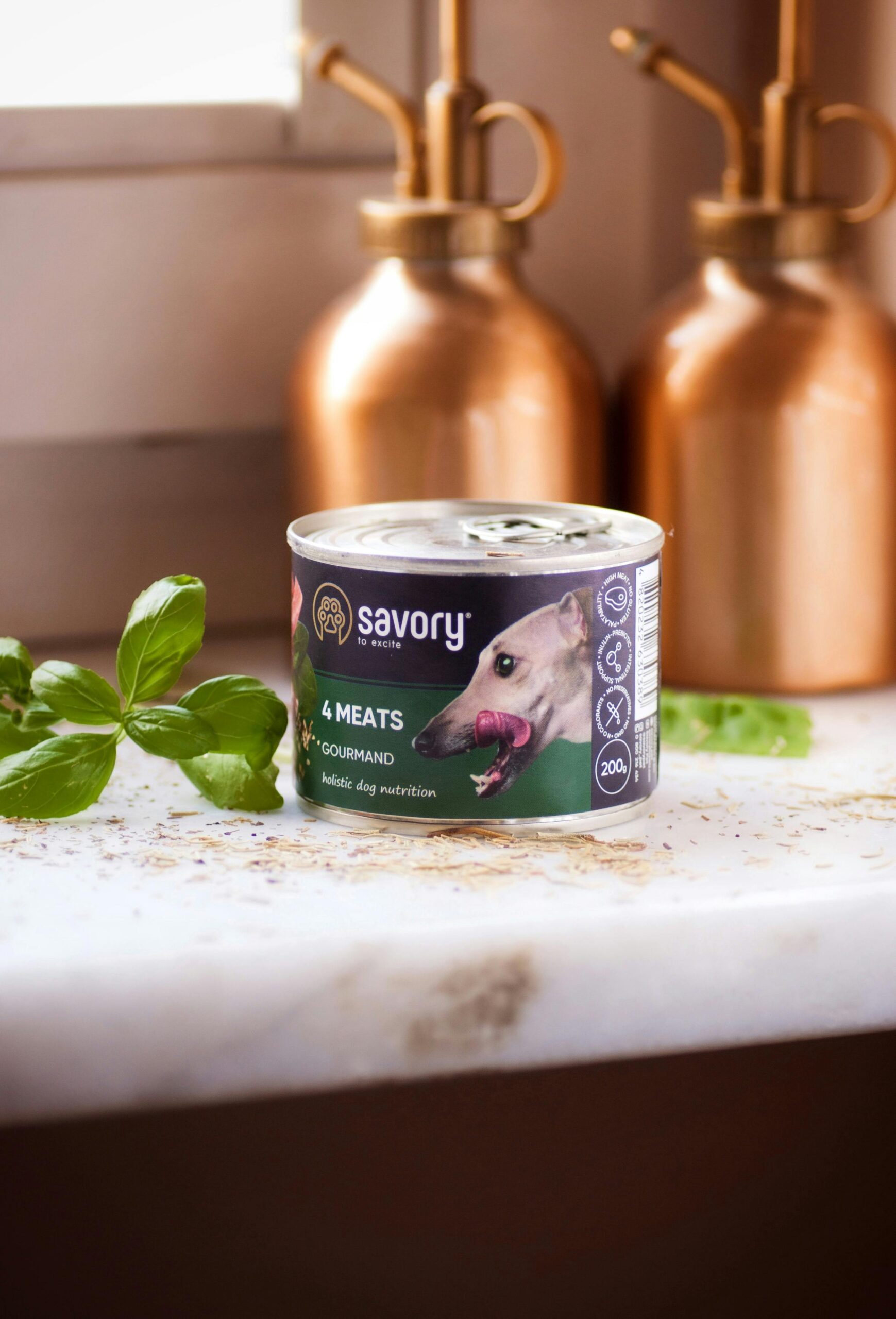
- Protein: Important for growth and muscle maintenance. Look for high-quality protein sources such as chicken, beef, or fish.
- Fats: A source of energy; omega fatty acids enhance coat health and support cognitive functions. Ensure the fat content is appropriate for your dog’s activity level.
- Carbohydrates: Provide energy; should come from whole grains and vegetables. Avoid fillers that offer no nutritional value.
- Vitamins and Minerals: Essential for overall health. Ingredients like fruits and vegetables provide necessary vitamins that benefit your dachshund’s immune system.

Recommended Daily Intake
| Nutrient | Amount per Day |
|---|---|
| Protein | 22-30% |
| Fat | 8-15% |
| Carbohydrates | 30% |
Reading Nutritional Labels
Understanding how to read nutritional labels can help you choose the right dachshund dog food. Look for:
- Real meat as the first ingredient.
- Limited fillers and by-products.
- A balance of protein, carbohydrates, and fats. Click here to Buy dog food
Tips for Choosing the Best Dachshund Dog Food
Here are some practical tips to make your dog food selection easier:
1. Read Labels Carefully
Always check the ingredient list on dachshund dog food packages. Look for real meat as the first ingredient and avoid foods with a long list of fillers.
2. Opt for Breed-Specific Formulas
Many brands offer formulas tailored for dachshunds, addressing their unique dietary needs. These formulas typically consider their body shape and size, and can promote better energy levels and weight management.
3. Consider Age and Activity Level
Puppies, adults, and seniors have different nutritional requirements. Choose accordingly to ensure your dachshund gets the nutrients they need for their life stage.
4. Consult Your Vet
For specific dietary concerns, consult your veterinarian to find the best dachshund dog food option. They can provide insights based on your dog’s weight, age, and health history.
Common Myths About Dachshund Dog Food
Addressing common misconceptions can help pet owners make informed choices:
Myth 1: “My dachshund can eat any human food.”
Fact: Many human foods can be harmful to dogs. Foods like chocolate, grapes, and onions are particularly dangerous.
Myth 2: “Wet food is always better than dry.”
Fact: Both have benefits; the best choice depends on your dog’s needs. Some dogs may prefer the taste of wet food, while others may benefit from the dental health aspects of dry kibble.
Myth 3: “I should change diets frequently to provide variety.”
Fact: Constantly switching diets can upset your dachshund’s stomach. It’s best to stick to one high-quality food and introduce changes gradually.
Special Considerations for Dachshund Dog Food
1. Health Concerns
Dachshunds are prone to specific health issues, such as obesity and intervertebral disc disease. Choosing the right dachshund dog food can play a crucial role in managing these conditions.
2. Allergies
Some dachshunds have food allergies. If you notice signs such as itchy skin or digestive upset, consult your vet and consider hypoallergenic dog food options.
3. Portion Control
Given their small stature, it’s easy to overfeed dachshunds. Follow feeding guidelines specific to your dog’s weight and activity level, and measure out their portions to avoid obesity.
Homemade Dachshund Dog Food Recipes
If you prefer to prepare your pet’s meals, consider these easy recipes. Always consult your vet for dietary balance.
Recipe 1: Chicken and Rice
Ingredients:
- 1 cup cooked chicken
- 1 cup brown rice
- 1/2 cup carrots
- 1/2 cup green beans
Instructions:
- Boil chicken until cooked. Shred it.
- Cook the rice as per instructions.
- Mix all ingredients and serve.
Recipe 2: Beef and Vegetable Stew
Ingredients:
- 1 cup ground beef
- 1 cup sweet potatoes
- 1 cup carrots
- 1/2 cup peas
Instructions:
- Brown the beef in a pot.
- Add chopped vegetables and cover with water.
- Simmer until vegetables are soft. Cool before serving.
Nutritional Balance
When preparing homemade meals, be sure to balance proteins, fats, and carbohydrates as per your dachshund’s needs.
How to Transition Your Dachshund to New Food
Transitioning your dachshund to a new food is a crucial endeavor that requires patience and care. Abrupt changes in diet can lead to gastrointestinal distress, which can be particularly uncomfortable for your pet. Here’s a detailed step-by-step guide to ensure a smooth transition.
Step 1: Start Slowly
Begin transitioning your dachshund by mixing a small amount of the new food into their current food. This initial stage allows your dog to become familiar with the taste and texture of the new food without overwhelming their system.
- Tip: A common starting ratio is 75% old food and 25% new food. This mix will help your dog gradually adjust to the new diet.
Step 2: Gradually Increase the New Food Ratio
Over the next 7-10 days, slowly increase the ratio of new food while decreasing the old. A suggested daily schedule could look like this:
- Days 1-3: 75% old food, 25% new food
- Days 4-6: 50% old food, 50% new food
- Days 7-10: 25% old food, 75% new food
- Days 11 onward: 100% new food
Step 3: Monitor Your Dachshund’s Response
Monitoring is a critical part of transitioning your dachshund to new food. Watch for any signs of discomfort, such as changes in stool consistency, vomiting, or changes in appetite.
Signs to Watch Out For:
- Loose stools or diarrhea: This could indicate that your dog is struggling to adjust to the new food.
- Vomiting: This is a more severe sign and usually indicates an intolerance.
- Change in appetite or lethargy: If your dachshund is less interested in food or seems unusually tired, these could be early warning signs that the new food isn’t working for them.
Consulting Your Vet
If your dachshund experiences adverse symptoms, revert to their previous food and consult your veterinarian for advice. They can help assess whether the new food is appropriate or if a different alternative is needed.
Understanding Food Intolerance and Allergies
When transitioning your dachshund to new food, it’s essential to differentiate between food intolerance and food allergies as they manifest differently and require different approaches.
Signs of Food Intolerance
Food intolerance occurs when your dog has difficulty digesting certain ingredients. Here are some common signs:
- Gastrointestinal Distress: Chronic diarrhea or constipation
- Flatulence: Increased gas can indicate food intolerance.
- Bloating: A swollen belly can be uncomfortable and require vet attention.
Signs of Food Allergy
Food allergies are more serious and can result in skin reactions, gastrointestinal issues, and even behavioral changes. Common signs include:
- Itchy Skin: Persistent scratching or licking
- Ear Infections: Frequent ear infections can signal underlying food allergies.
- Vomiting or Diarrhea: Reactions generally occur soon after eating.
Steps to Take
- Revert to Previous Food: If adverse reactions occur, go back to the original food while you assess the situation.
- Consult Your Veterinarian: They may recommend an elimination diet to determine specific allergens.
Importance of Professional Guidance
Consulting with a veterinary nutritionist can help you navigate food choices tailored to your dachshund’s individual needs, especially if food intolerances or allergies are suspected.
Customer Reviews of Popular Dachshund Dog Food Brands
Choosing the best dachshund dog food can be daunting with so many options available. Below is a detailed review of popular brands commonly recommended for dachshunds, including pros and cons highlighted by consumer feedback.
1. Brand A: Best Overall
Name: [Brand A Name Here]
Pros:
- Balanced Nutrition: Formulated to meet the specific dietary needs of dachshunds, promoting healthy growth.
- Great Taste: Most dachshunds enjoy the flavor and devour their meals.
- Easy on the Stomach: Many reviews cite fewer gastrointestinal issues when transitioning from other brands.
Cons:
- Slightly Higher Price Point: Compared to supermarket brands, this food is more expensive, which may be a concern for budget-conscious pet owners.
Typical User Feedback:
Many owners report increased energy levels and improved coat quality after switching to this food.
2. Brand B: Best Budget Option
Name: [Brand B Name Here]
Pros:
- Affordable: Cost-effective option that doesn’t skimp on nutrition.
- Widely Available: Found in most stores, making it easy to purchase.
Cons:
- Contains Fillers: Some ingredients are fillers, which can provide little to no nutritional value.
- Lacks Variety in Protein Sources: Users report that their dogs sometimes struggle with allergies due to limited protein types.
Typical User Feedback:
While some owners are satisfied with the value, others express concerns about their dogs’ stool consistency.
3. Brand C: Best for Allergies
Name: [Brand C Name Here]
Pros:
- Limited Ingredient Diet: Formulated for dogs with food sensitivities, focusing on few, high-quality ingredients.
- Hypoallergenic: Recommended by many vets for dogs with known allergies.
Cons:
- More Expensive: Higher price point compared to regular brands, which can be a drawback for some pet owners.
Typical User Feedback:
Owners often see improvement in skin conditions and overall well-being within a few weeks of switching their dogs to this food.
Conclusion
Finding the perfect dachshund dog food may take some trial and error, but it’s worth it for your furry friend’s health. Understanding your dog’s unique nutritional needs is the first step in providing them with the best care possible.
Key Takeaways:
- Transition Gradually: Slowly mix new food with old to avoid gastrointestinal distress.
- Monitor Closely: Be alert to any signs of food intolerance or allergies.
- Choose Wisely: Reviews can guide your choices, but always factor in your dachshund’s personal health needs.
By keeping an eye on the ingredients and adapting to your dog’s lifestyle changes, you can ensure a long and happy life for your dachshund. Remember to consult your veterinarian for personalized advice tailored to your dog’s unique needs.